Creative Rest and Return
As many of us take a bit of a rest over Spring Break it can be interesting to think about the sort of rest we need both individually and collectively - as a family or even as an institution. Our family are all pretty unique in terms of how we rest, but we are all definitely committed to making space for ‘creative rest’, an idea that has gained attention through the work of Elizabeth Gilbert and her popular book Big Magic. Sounds great, but of course it will require some steering and groundwork.
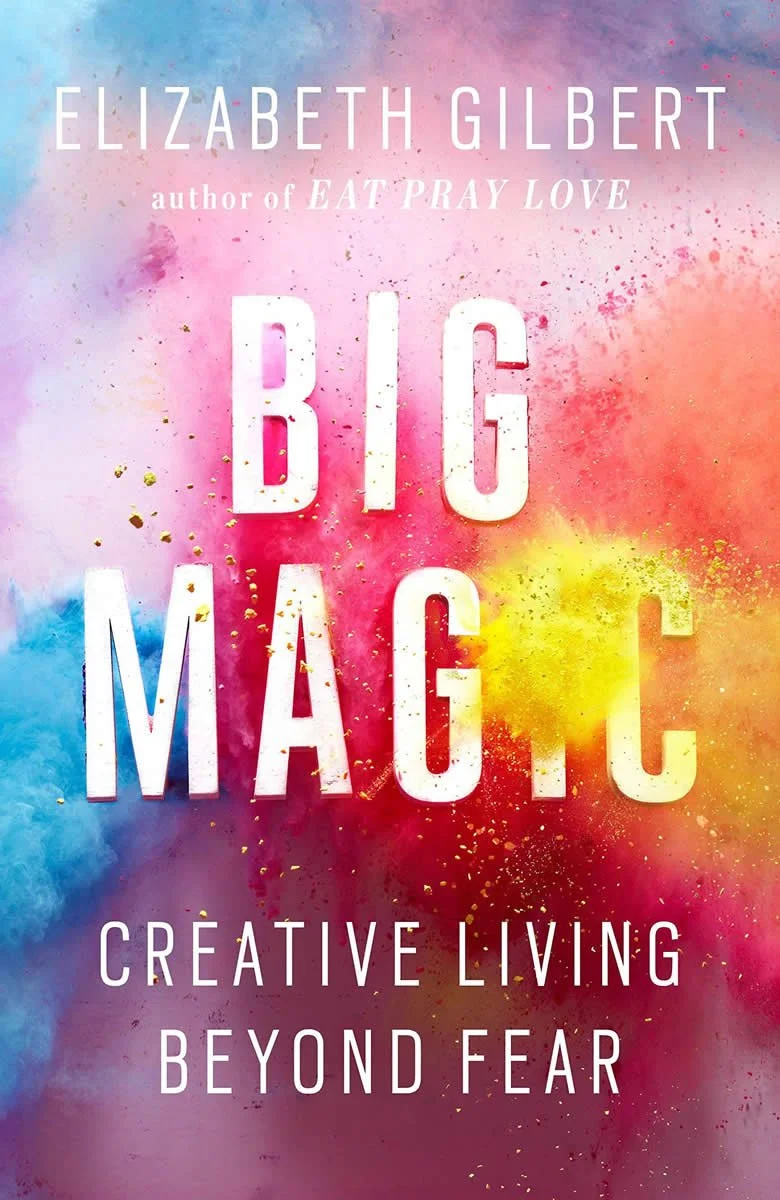
Gilbert reminds us to crack open a world of wonder and joy
My son builds and depicts worlds in Minecraft, on Lego boards, with pen and paper and on beaches where he builds dams and crossings. My daughter would join him in most of these pursuits happily, but I can see she builds and creates quite differently in that she would often rather create and draw a story board, plan a new dance routine or try out song lyrics, or put on a play or show with her toys. Us adults in the family are often more likely tidying, maintaining flower beds, decorating, rearranging rooms, finishing a beloved (or painful!) writing project, perhaps creating a running route or planning a meal for a family gathering. I want to help build supportive habits of creative rest for my children and to try and model these myself by seeing the holidays as a means of supporting these activities. Sometimes and some days, however, it is a case of insisting and assisting with these activities before we get into more of a state of flow and an easier rhythm.
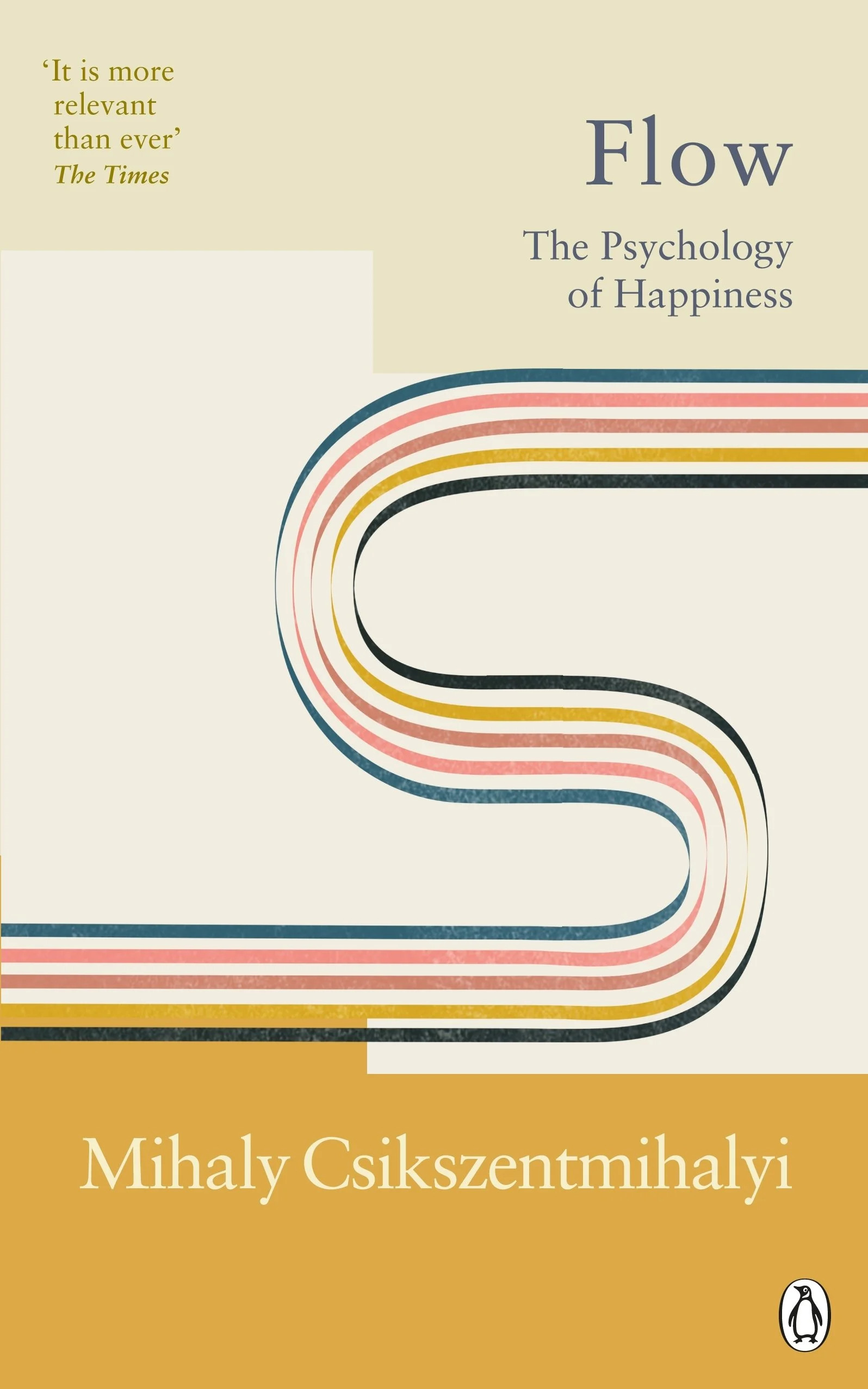
Getting into a state of creative ‘flow’
Realistically it takes time to get into this state as we are often overstimulated and exhausted and stuck in a sort of passive state and the education system can sometimes feel like quite the treadmill. Aristotle famously said in the Nicomachean Ethics that ‘Men become house builders through building houses, harp players through playing the harp. We grow to be just by doing things which are just.’ Of course, we have to flesh out a bit what the just and virtuous person is like, but the importance of undertaking the sort of habits that build a creative life is something I am committed to for myself, my children and my students. This involves carving space for reading and insisting sometimes that more chapters of a book should be read, going to the cinema or theatre and often picking something that is not an easy win for a pre-teen, and also trying out new creative endeavours that might feel ridiculous, but in fact become quite the illumination. For example, over the year I became involved in a philosophy project that involved multi-species poetry, something I fear previously I may have scoffed at https://panworks.io/multispeciespoetry/ We like to be masters of our activities, but there should be a mix of building from strong competencies and also the playful unknown. We celebrated the late Jane Goodall’s birthday on the 3rd April and she is such a perfect example of someone who could stay playful and open to new ideas, and respond to the experiences unfolding before her. Louis Leakey, Kenyan-British palaeoanthropologist and archaeologist, famously chose Goodhall (as well as Dain Fossey and Biruté Galdikasto - playfully called Leakey’s Angles or the Trimates) to live near the wild chimpanzees because she wouldn’t come with a head full of fixed scientific textbook ideas about what was happening, but rather observe and be open to what was unfolding.
At CATALYST by Winchester College we have the same commitment to creative rest and the awakening that comes from creative habits and creative agency. Our enrichment programmes are unashamedly academic and focused on intellectual stretch and challenge, but we also know that holiday courses need to tap into the human need for joy, a sense of agency and meaning. We also proudly encourage our cohorts to be a CATALYST for change, the change they would like to see in the world, and to have CATALYST figures in their minds that inspire them to do good and to think in bold and creative new ways.
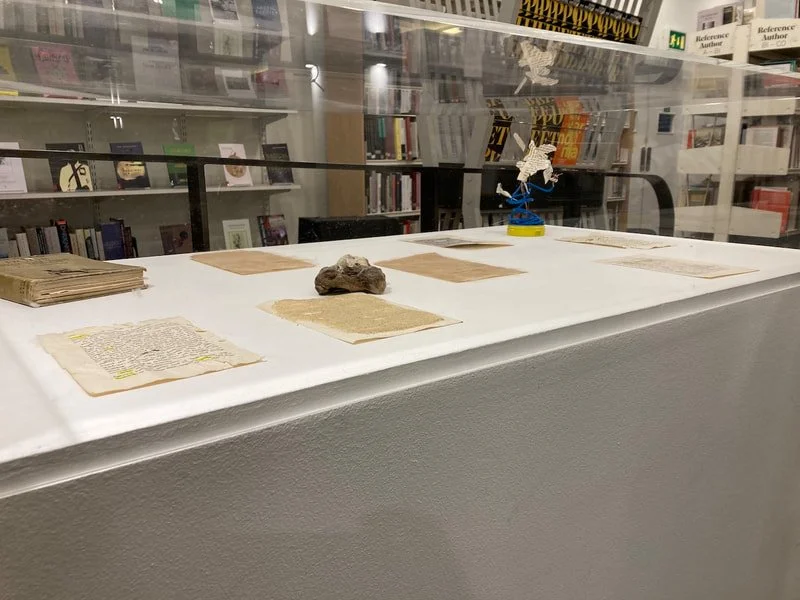
A multi-species poetry exhibition
Gilbert talks about the importance of uncovering the ‘strange jewels’ that need to be found within all of us, and our programmes are deeply relational and built on finding out what truly matters to our young people and what it is that they are burning to do and burning to be. Often this isn’t a burning passion at all, because as Gilbert reminds us apathy, fear and uncertainty can make this hard to feel or find, and just as parents help to unlock these jewels in their children, we also take this work seriously as educators, facilitators and mentors. To be a jewel mentor is quite the privilege and sometimes what unlocks this creative passion is not quite what you would imagine or planned for - I know this only too well as a parent or teacher and have been fascinated to see how somethings ignite interest and wonder in young folk.
Our programmes involve access to philosophy, literature, art, poetry and music (as well as content rooted in AI, Tech, Logic and Science) and encourages reflective walks, curating one’s own gallery, speech writing and delivery. All programmes are based around the creation of your own Change Project that emerges from a ‘jewel’ or rather a desire to change and help a world undoubtedly facing multiple crises. Even in the space of our one-week programmes we see the students pitch and present an academic poster (increasingly popular at academic humanities conferences as well as in science and social science ones: https://dailynous.com/2015/08/28/poster-sessions-at-philosophy-conferences/) which is both a visual and written argument and a project seeking meaningful change in a chosen area.
Learn more about our Change Projects here: https://www.catalyst.winchestercollege.org/change-projects
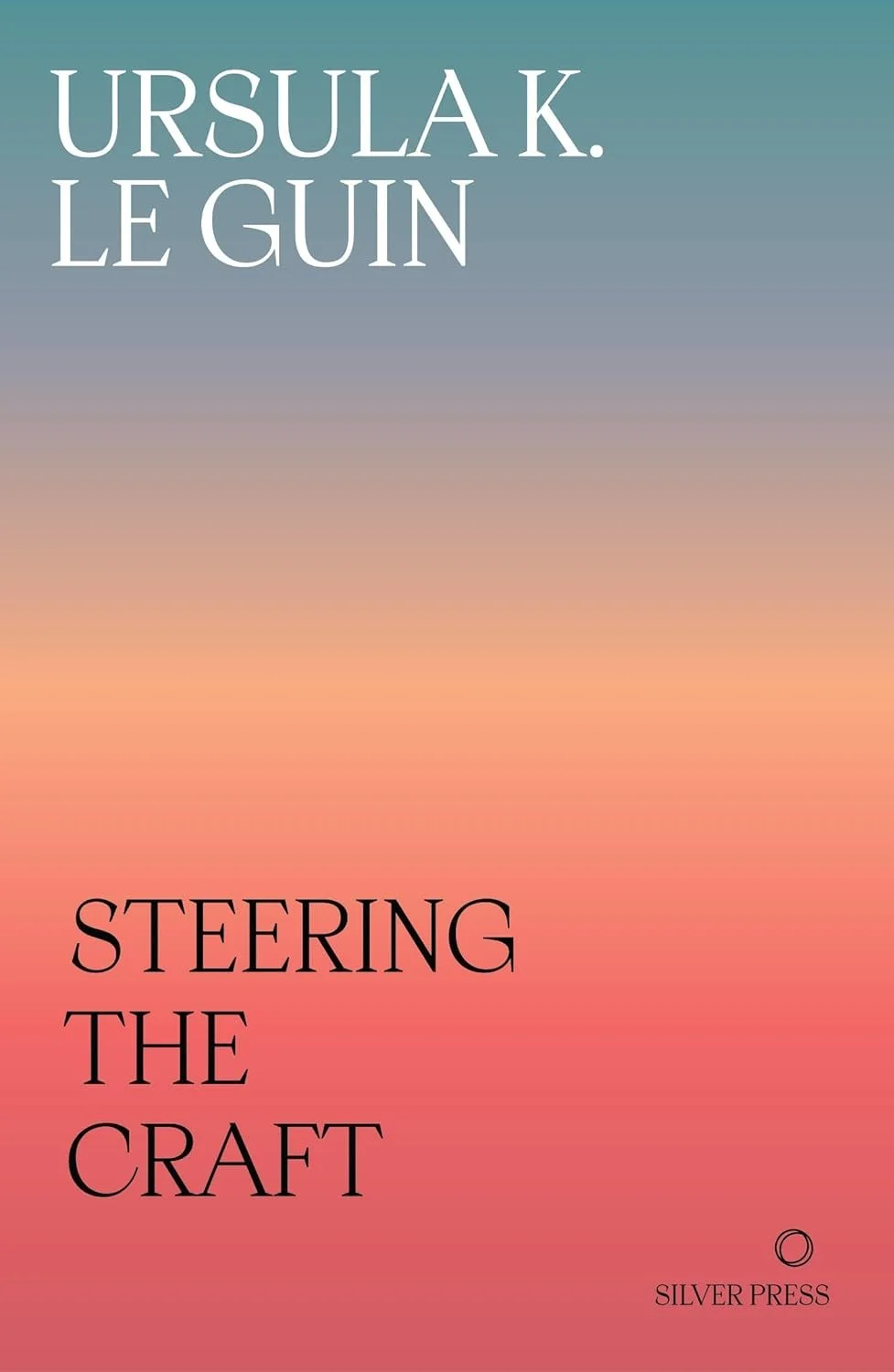
Steering the craft - writing requires imagination working on experience
One of the real pleasures of helping to steer the cohorts is the sense of pride and confidence we witness in our students who have trusted their ideas and brought them into reality through the range of activities and through their Change Projects. Ursula K. Le Guin spoke of the importance of trusting ourselves and our experiences to steer our work, and that we need our imagination stirred through multiple experiences whilst being mindful of ‘craft’ habits to master alongside this. She reminds us that a writer who does not read is a charlatan, and it is worth stressing forcefully that whilst we need creative new ideas and voices, to not engage with those who have a hard fought understanding of the artistic worlds we seek to be part of is a misstep - as creatives, academics, changemakers expand, react to, respond to and play with the creative outputs they encounter.
Creative rest is an important part of any period of time, especially the holidays, and I can attest to the fact (as a facilitator and a parent of children who have been part of the programmes) that the courses are regenerative and give space for some daily intellectual stretch (and physical stretch due to our beloved reflective walks), heaps of fun and creative thinking and activities - and there is still time to get to the beach as a family.
Creative opportunities come in many forms, but as we all know it takes some steering and a community. What is also often the case, is that creative rest, like all rest, opens up the possibility of return and creative sharing. One of the joys of parenting and teaching is seeing how those who become gently immersed in creative projects have a decision to make - to share or not? To develop and expand further or not. To share their work, or to keep it for them. There is many a proud tear at our final exhibitions where the deeply personal Change Projects are presented - a celebration of process and trusting one’s creative ideas.
Creativity means lots of different things to different people and this article is a beautiful read from the BPS: Voices In Psychology - what does creativity mean to me? | BPS.